Sugar Doesn’t Actually Cause Cavities
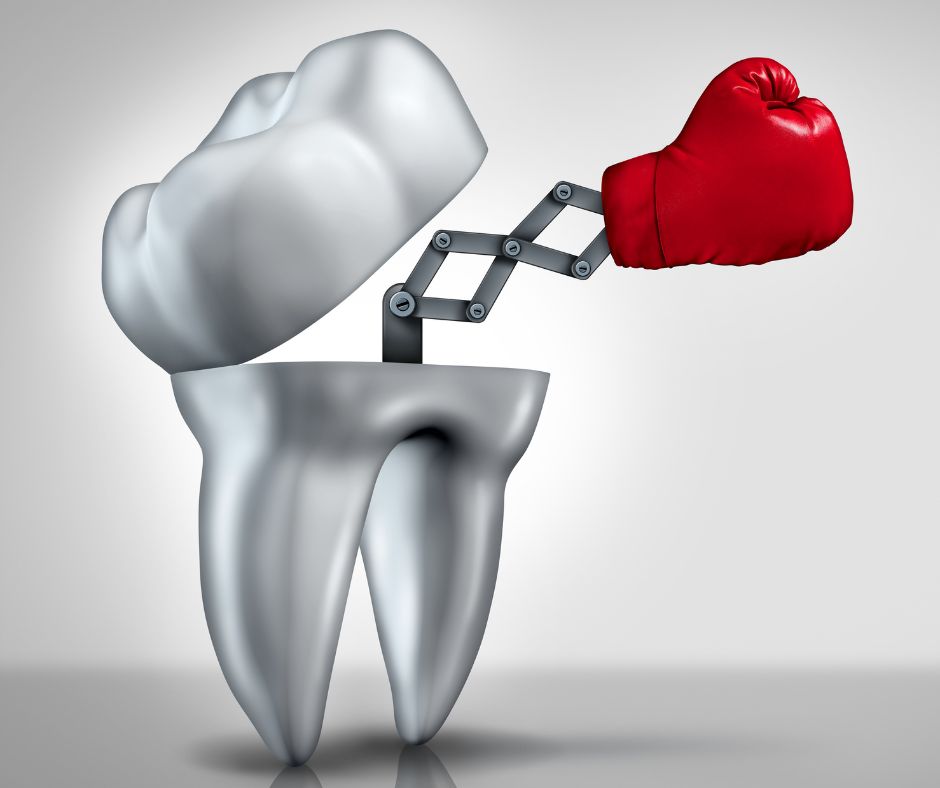
However, sugar is not the direct cause of cavities. Nor is it a corrosive substance, like the common classroom experiment implies: In fact, it’s the tangy acid in the soda that softens the shell, not the sugar. Sugar, however, is a great energy source for the bacteria living in your mouth that can cause tooth decay, says Dr. Diana Nguyen, the chief of General Clinical Dentistry and associate professor at University of California, San Francisco School of Dentistry. But should we really only blame sugar for cavities?
What actually causes cavities?
Our mouths are hosts to hundreds of types of bacteria. The main culprits behind cavities, though, are Streptococcus mutans and various types of Lactobacillus bacteria. These bacteria get a boost from carbohydrates, which they consume for energy.
When you eat something starchy or sugary (yes, sugar is a carbohydrate), these bacteria leap into action, breaking down carbs and producing lactic acid in the process. It’s that acid which weakens dental enamel (the hard white coating on teeth that protects them), eventually causing cavities. But the human body does have a way of fighting back. “It’s not like you eat sugar, and then your mouth is acidic forever,” Nguyen says. Saliva plays an important role in bringing the pH level in your mouth back up to neutral. When you eat a chocolate bar or a piece of bread (or just about anything), your mouth waters, which helps to flush away harmful acids. Usually, your saliva can accomplish this task in around 30 minutes.
How do you prevent cavities?
So while carbohydrates such as sugar aren’t the active force behind cavities, it can accelerate their development—as can acid from soda or coffee. Timing also matters. Constantly consuming carbohydrates or acidic drinks can make it hard for your saliva to return to a neutral pH level.